Il y a quelques jours, nous vous informions que le wallet Argent évoluait pour passer à la solution de seconde couche : zkSync, afin de proposer une expérience plus fluide et plus agréable à ses utilisateurs. Et le moins que l’on puisse dire, c’est que ce wallet non-custodial est particulièrement fluide et ergonomique. C’est pourquoi nous avons décidé de vous faire une présentation. Donc préparez vos smartphones… C’est parti !
Comment configurer le wallet Argent
Installer Argent sur votre smartphone
Avant de commencer, sachez qu’Argent n’est actuellement disponible que sur smartphone IOS et Android. Vous n’aurez donc besoin que de votre smartphone pour suivre ce tuto.
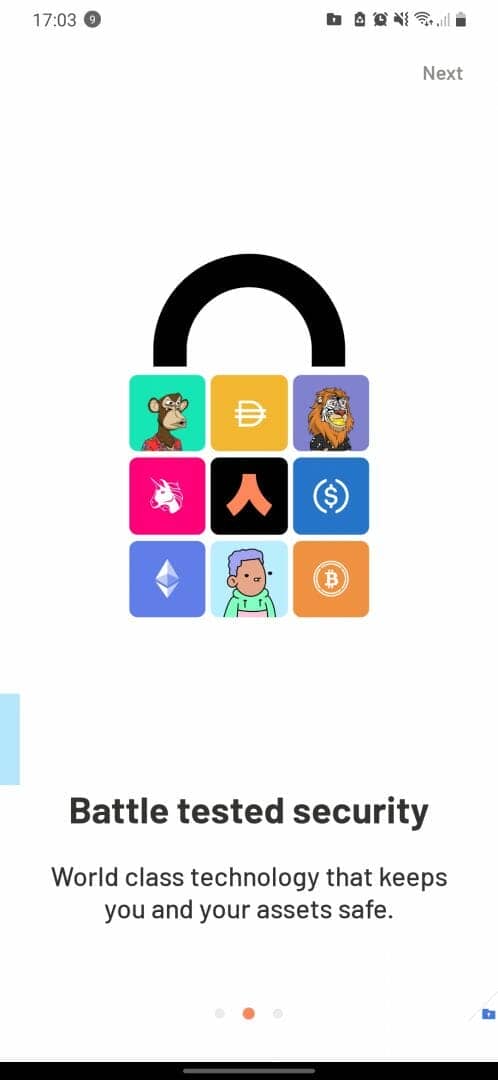
Une fois que vous avez installé l’application Argent sur votre smartphone, vous n’aurez qu’à l’ouvrir et vous allez arriver sur cette page d’accueil. Quelques swipe vers la gauche suffiront pour arriver à la page de création de votre wallet :
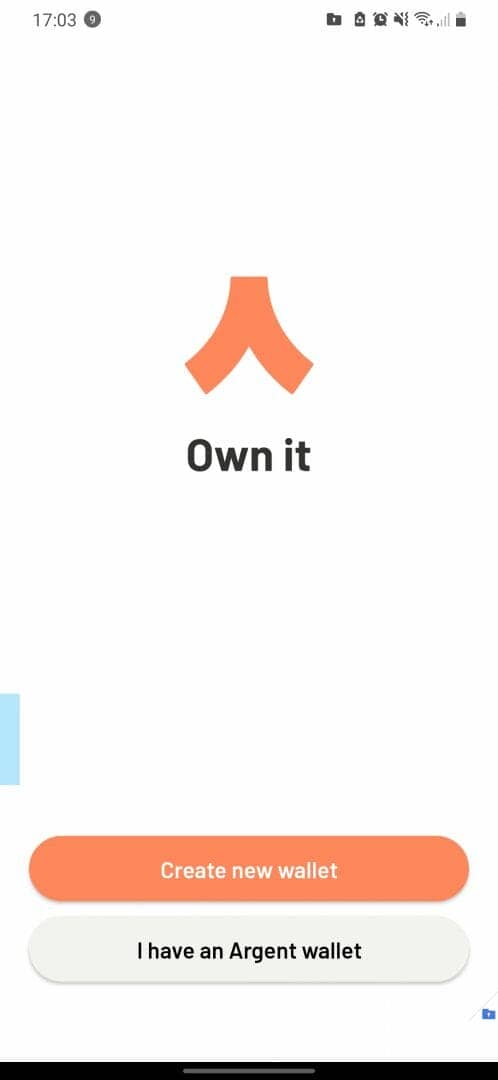
Il vous sera proposé de créer un wallet ou d’en récupérer un. Pour ce tutoriel, nous allons partir du principe que c’est la première fois que vous manipulez Argent.
Comment créer votre wallet avec Argent
Choisissez “Create new Wallet” pour créer un nouveau wallet :
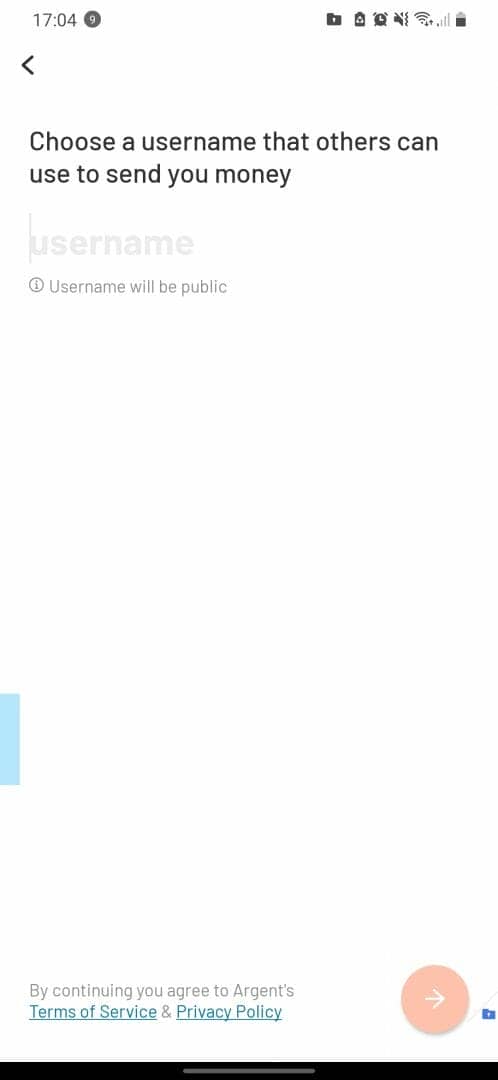
On vous demandera ensuite de choisir un nom d’utilisateur (username) :
Une fois que vous avez choisi votre nom d’utilisateur, il vous suffira de cliquer sur la flèche en bas à droite de l’écran pour le valider.
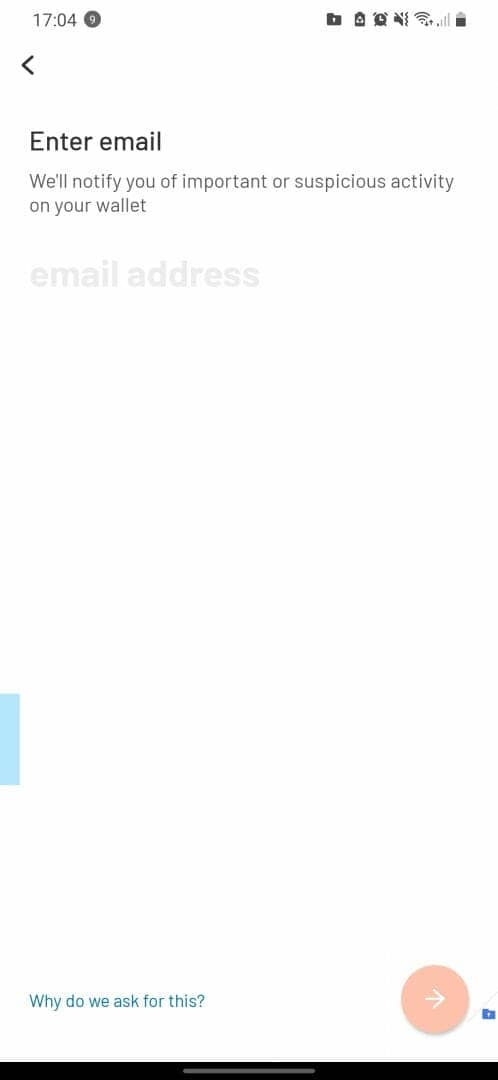
L’application vous demandera ensuite d’entrer une adresse email :
« Nous vous informerons de toute activité importante ou suspecte sur votre portefeuille. »
Comme pour le choix du nom d’utilisateur, il vous suffira de cliquer sur la flèche en bas à droite de l’écran pour la valider.
L’application vous enverra un lien de confirmation sur votre boite mail, afin de valider votre adresse e-mail.
« Open mail app » vous permettra d’ouvrir votre application e-mail.
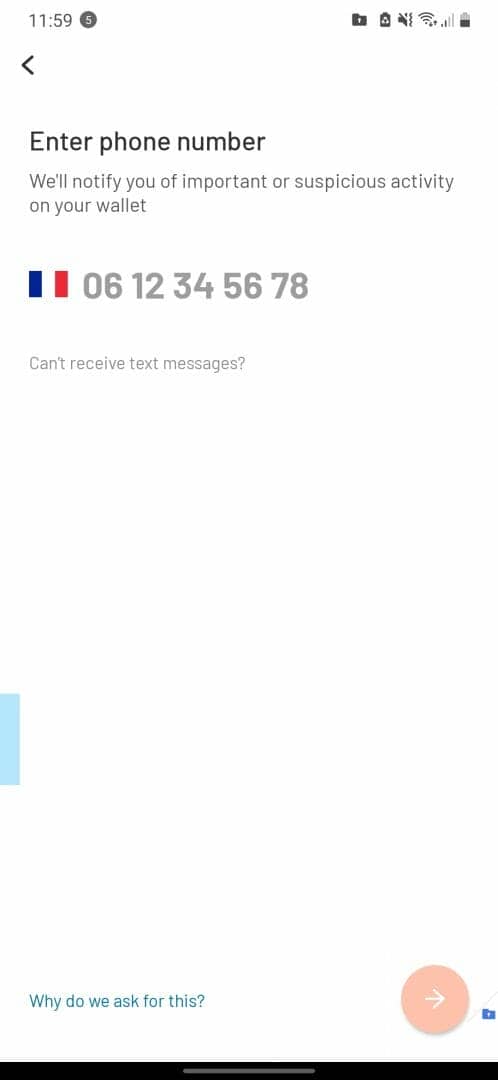
Une fois que vous aurez validé votre adresse e-mail, l’application vous demandera votre numéro de téléphone :
Une fois que vous l’aurez indiqué, pareil, finalisez le processus en appuyant sur le bouton en bas à droite de l’écran.
Une fois ceci fait, vous devriez recevoir un code qu’il vous faudra indiquer pour finaliser la création de votre wallet.
>> Révolutionnez l’argent, et récoltez de juteux rendements avec Kucoin (lien affilié)<<
Découverte du wallet Argent : quelles fonctionnalités ?
Comment créer votre adresse Ethereum
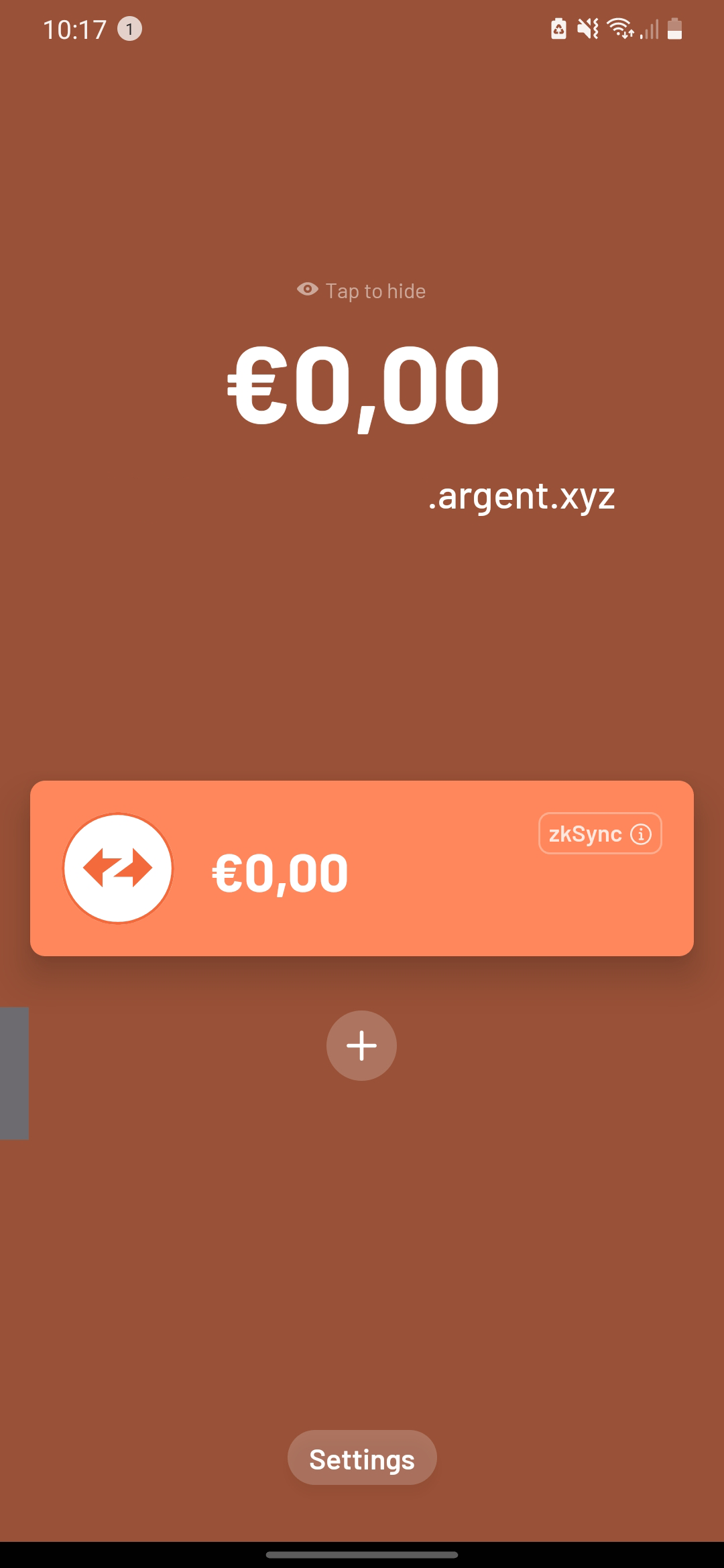
À priori, lorsque vous aurez créé votre wallet, vous devriez déjà être sur zkSync : si ce n’est pas le cas ou que vous désirez obtenir une adresse Ethereum (attention, passer sur le réseau Ethereum va drastiquement augmenter vos frais de transactions).
Il vous suffira de cliquer sur le petit « + » juste au-dessous :
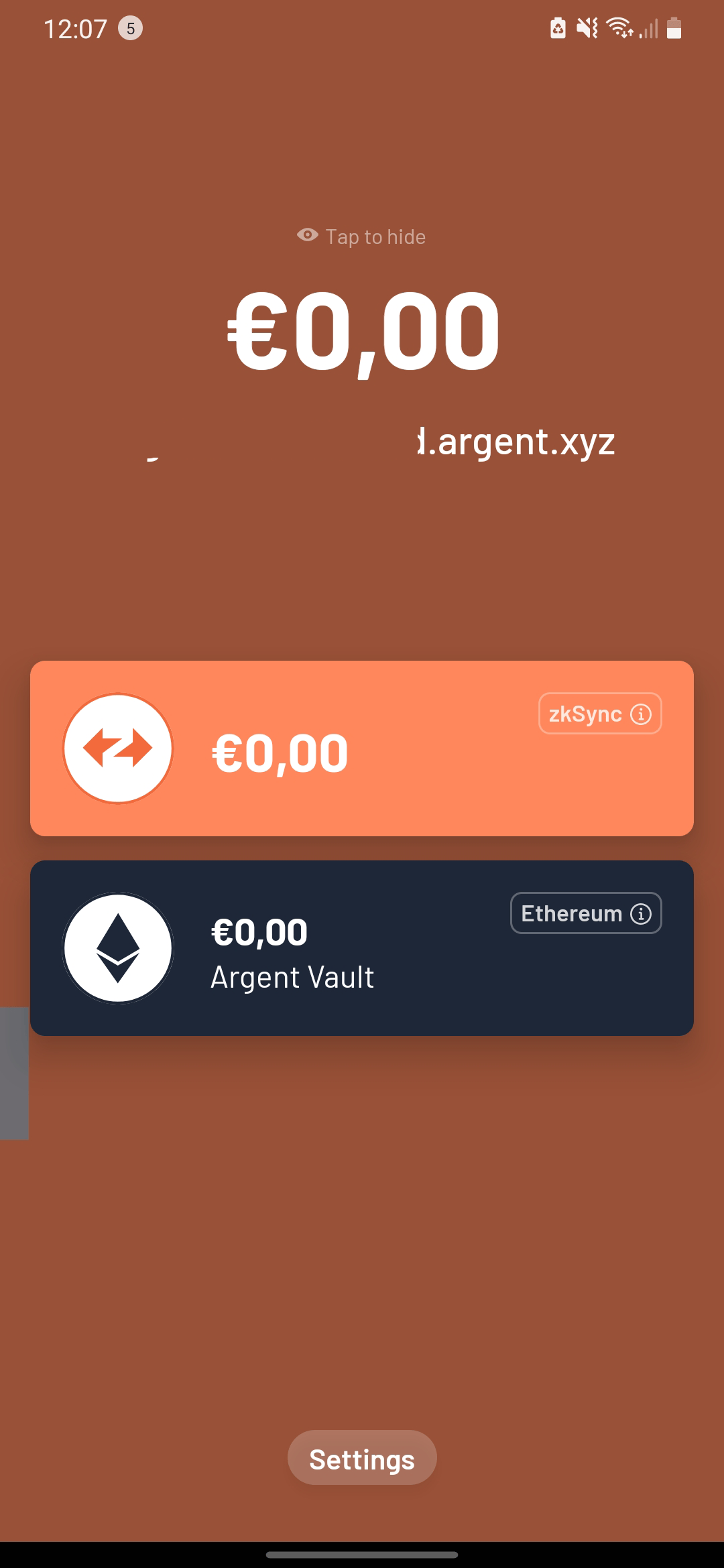
Un message vous alertera sur la différence de frais entre ZKSync et Ethereum. Si vous souhaitez quand même créer une adresse Ethereum. Vous aurez juste à valider la création.
À partir de maintenant, vous aurez donc deux réseaux différents :
Nous allons commencer par vous présenter zkSync, car c’est le réseau le moins cher des deux. Pour accéder à toutes les options, il vous suffira d’appuyer juste ici :
Présentation de zkSync
Une fois que vous êtes sur le réseau zkSync, vous serez sur une partie de l’application spécifique au layer 2 :
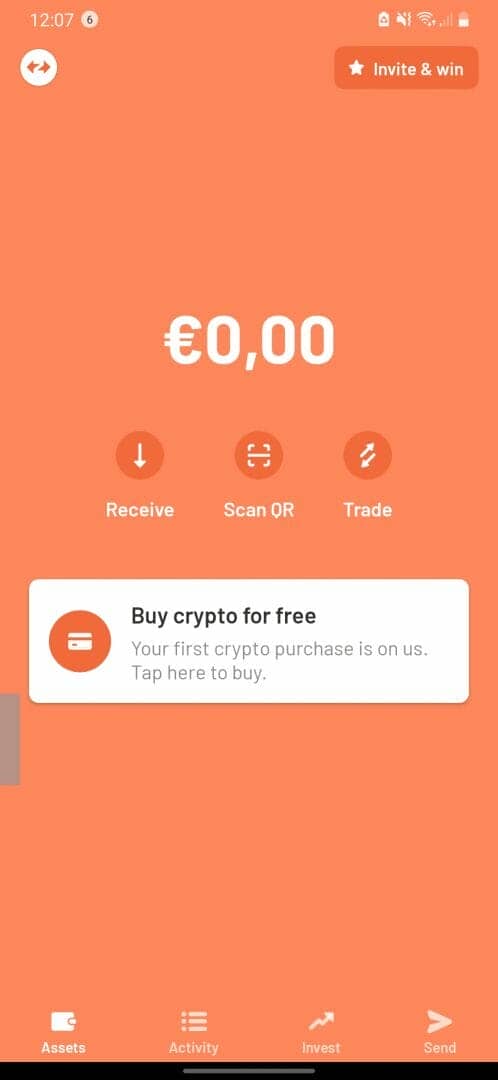
Assets : la gestion de vos crypto-actifs sur Argent
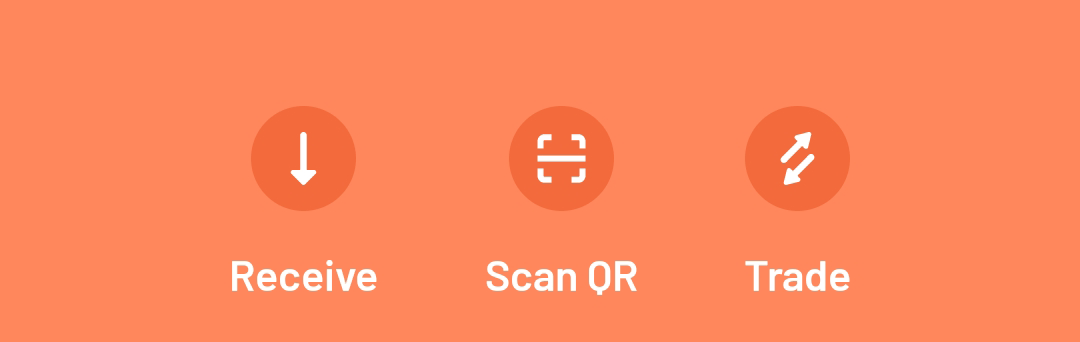
La partie asset est celle qui vous permet d’envoyer, de recevoir et de vendre des cryptomonnaies. l’ensemble des options disponibles sont affichées juste ici :
Recevoir, Scan QR, Vendre
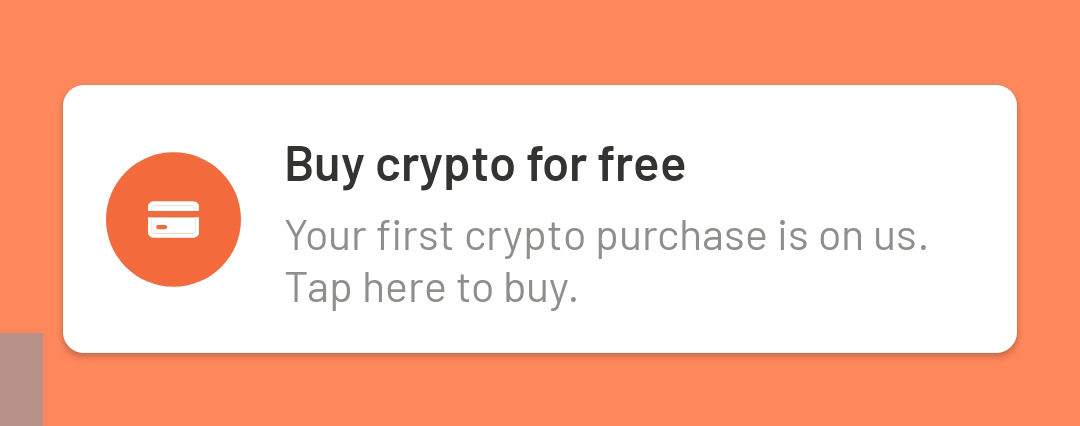
En appuyant sur le rectangle blanc intitulé «Buy crypto for free». Vous serez redirigé vers une page d’achat :
Acheter ses premières cryptos avec Argent
Pour l’instant, il est uniquement possible d’acheter des cryptomonnaies, mais il semble que la vente de cryptomonnaies soit bientôt disponible :
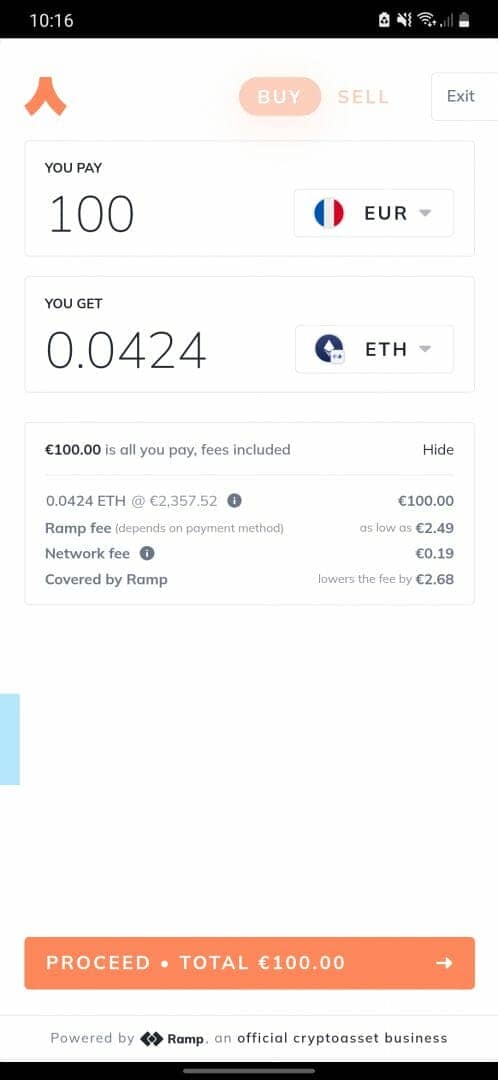
Il vous suffira d’indiquer le montant que vous voulez investir et l’application vous calculera le montant de ETH que vous allez recevoir. Pour l’instant le choix de cryptomonnaies disponibles est assez limité, puisque seuls le WBTC, DAI, USDC et ETH sont disponibles au moment où nous rédigeons ce tuto.
Une fois que vous avez choisi quels actifs vous voulez acquérir, il vous suffira de cliquer sur « Proceed ».
Vous devrez ensuite accepter les conditions d’utilisation de Ramp (le prestataire de service du paiement en ligne) :
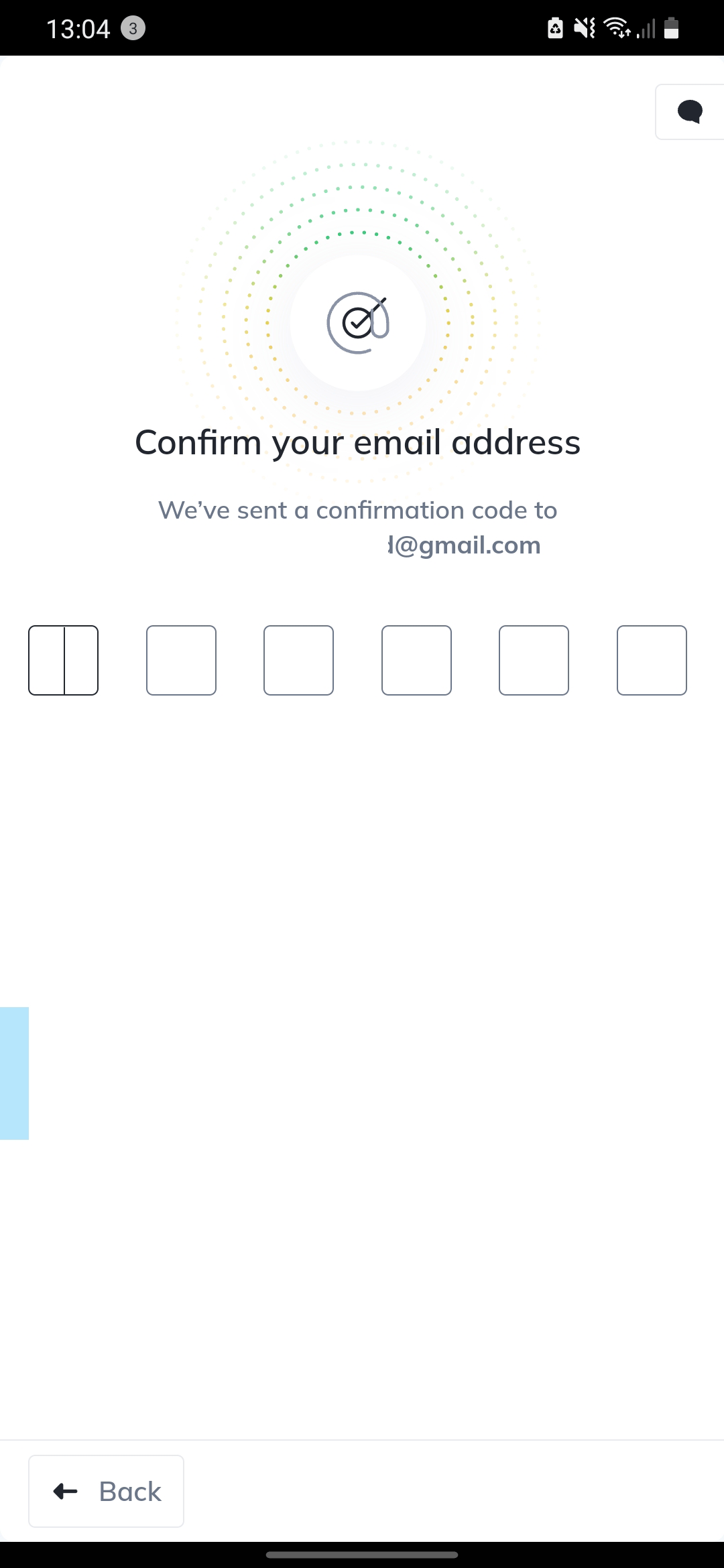
Puis vous devrez entrer un code, qui vous sera envoyé par email de la part de Ramp :
Une fois que c’est fait, Argent vous demandera le moyen de paiement vous souhaitez utiliser :
«
Choisissez votre moyen de paiement »
Vous aurez le choix entre :
Utiliser directement l’application Revolut Effectuer un virement bancaire Payer par carte
Si vous souhaitez effectuer un paiement par carte, il vous suffira de renseigner les informations figurant sur votre carte, comme lorsque vous effectuez un achat sur un site internet quelconque.
En ce qui concerne le virement bancaire, la méthode sera propre à votre banque, mais de manière générale vous n’aurez qu’à indiquer l’IBAN et le nom de la banque que l’application va vous fournir.
Pour ce tuto, nous avons utilisé Revolut car c’est la solution la plus simple et la plus rapide.
Appuyez sur « Proceed » pour valider le paiement.
Vous serez redirigé vers une fenêtre qui vous détaillera votre achat, ainsi que l’adresse sur laquelle vous recevrez vos fonds :
«
Résumé de votre commande »
Il vous suffira de cliquer sur « Buy Now » pour valider votre transaction.
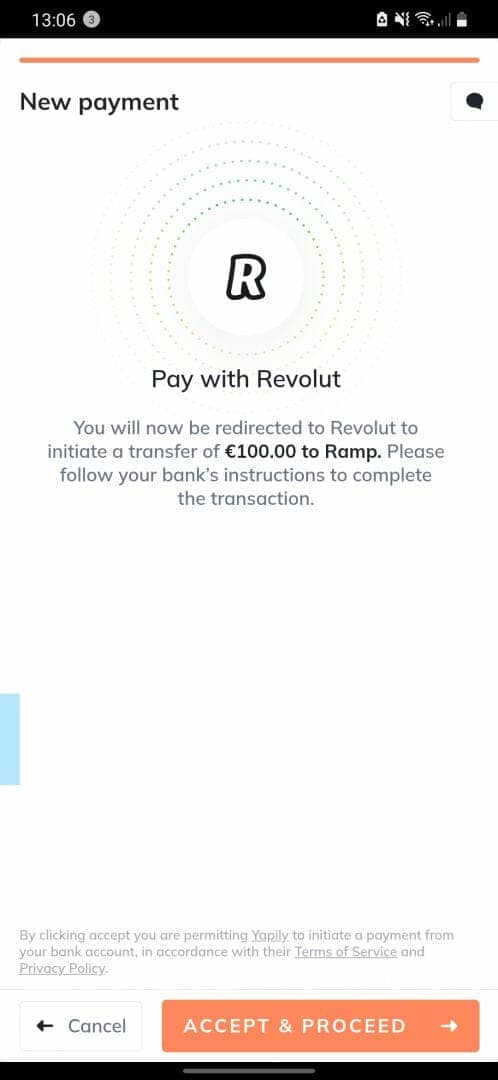
Vous serez redirigé vers une fenêtre qui vous explique la marche à suivre :
Appuyez sur «Accept and Proceed», puis vous serez ensuite redirigé vers l’application Revolut :
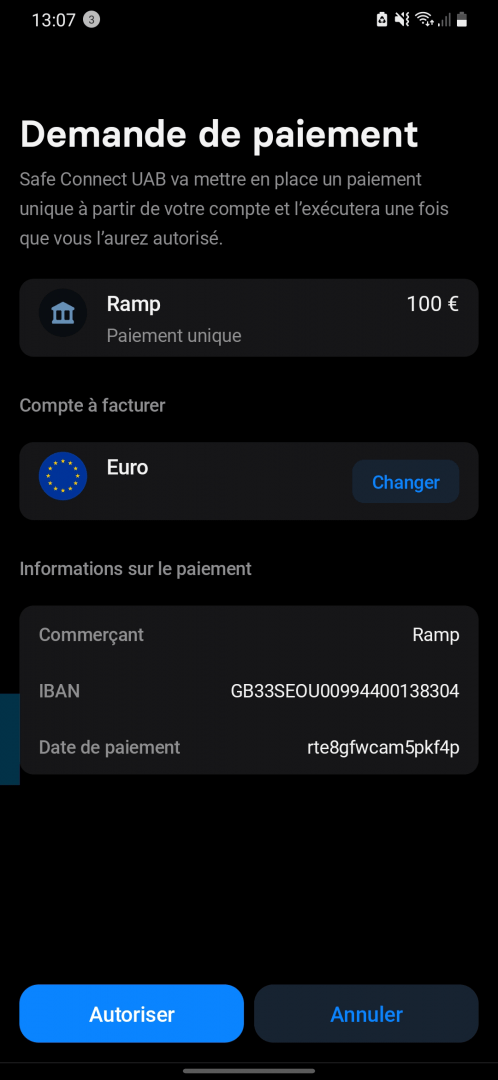
Votre application Revolut va s’ouvrir directement sur cette fenêtre :
Il vous suffira d’autoriser la transaction et le tour est joué !
Bon, maintenant que vous avez des actifs sur votre compte, autant les faire travailler !
Invest : l’investissement crypto in-app
Retournez sur la page d’accueil de zkSync :
Une fois sur la page il vous suffira d’appuyer sur « invest » dans la barre de navigation juste en bas :
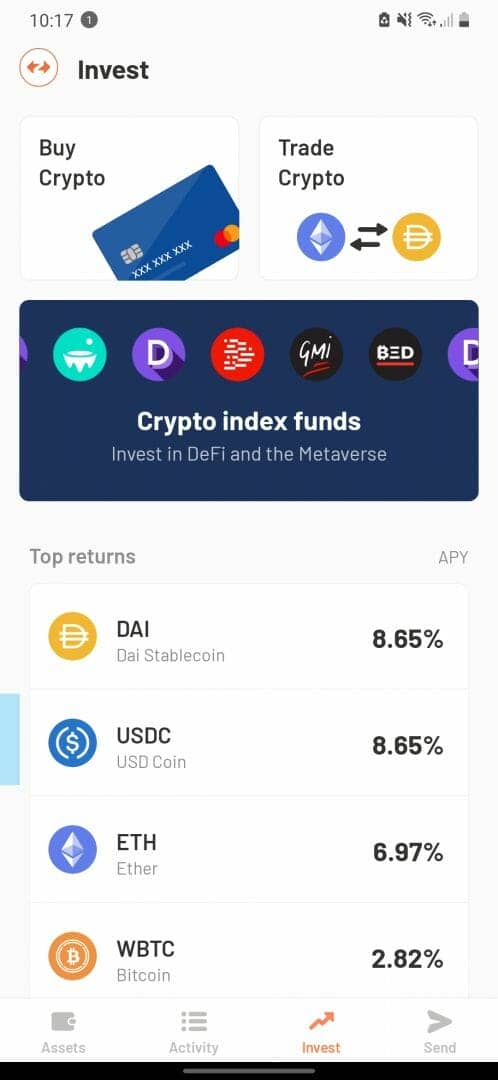
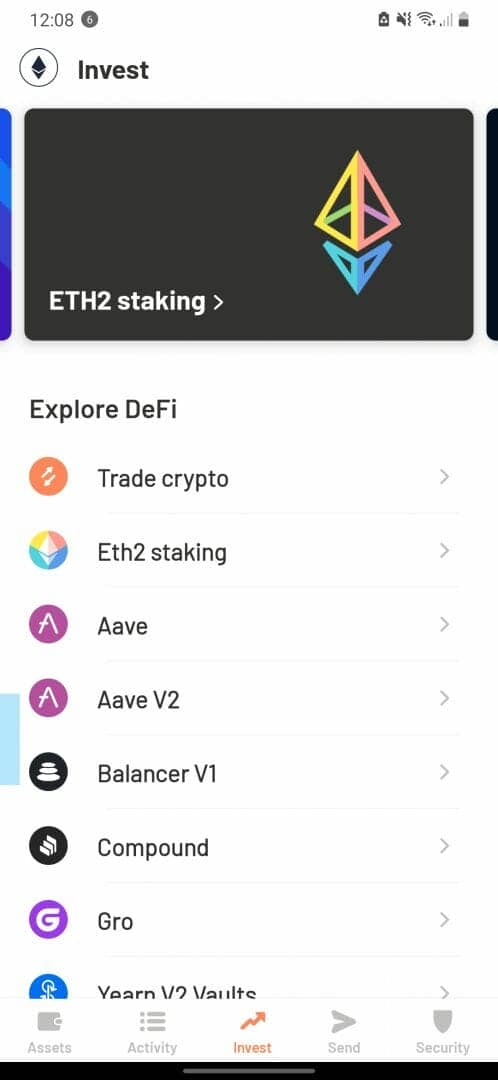
Une fois dans la partie dédiée aux investissements, plusieurs options vous seront proposées :
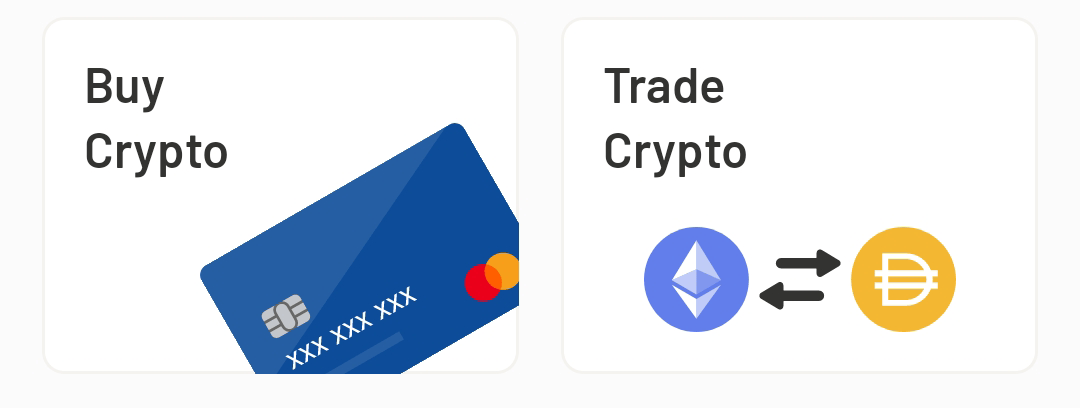
Tout en haut de l’écran vous aurez deux blocs, qui vous permettront soit :
d’acheter des cryptomonnaies, comme nous venons de le faire.ou échanger des cryptomonnaies.
Dans les deux cas cela vous permettra d’alimenter votre compte d’une manière ou d’une autre, afin de pouvoir accéder aux outils d’investissement présents dans l’application :
Acheter des cryptos / Echanger des cryptos
Trade Crypto est un swap tout ce qu’il y a de plus classique. Il s’agit d’échanger une cryptomonnaie contre une autre :
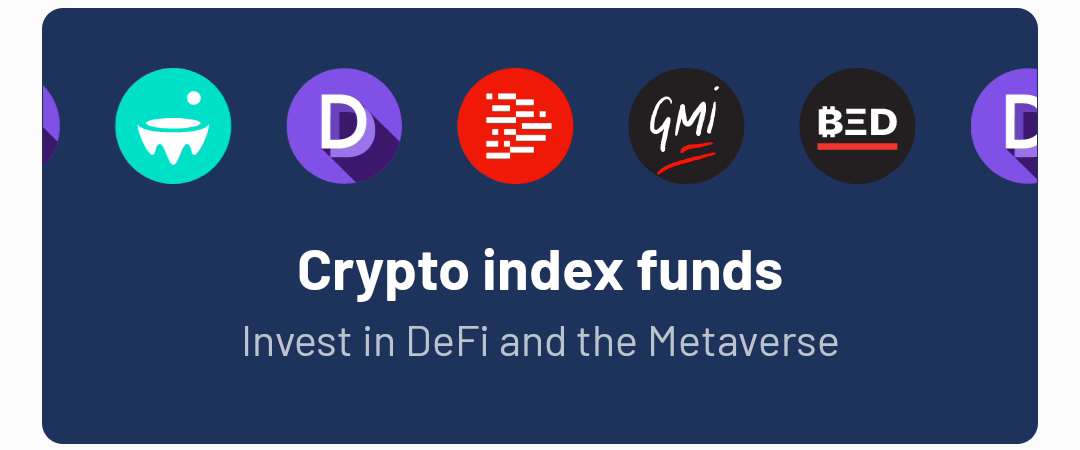
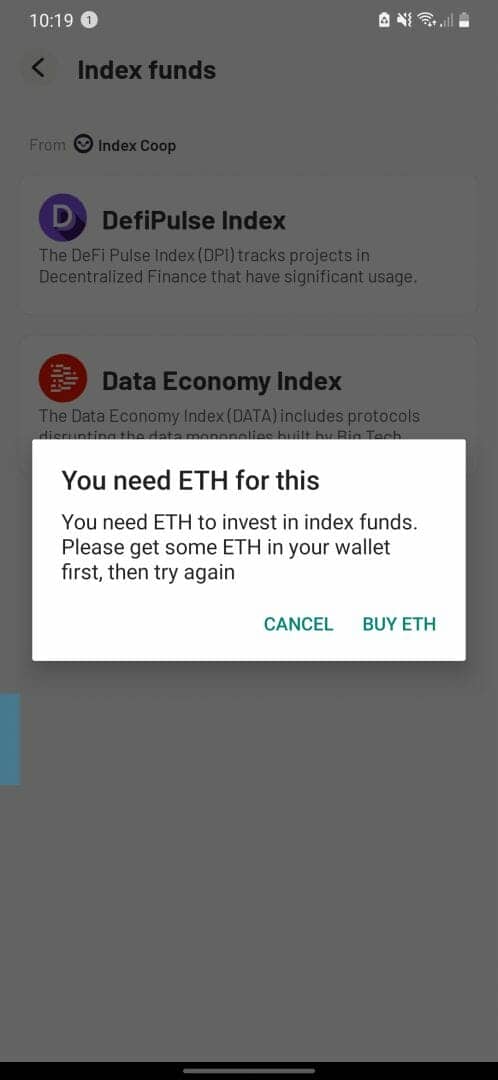
Le bloc « Crypto index funds», vous permettra d’investir dans différents fonds indiciels :
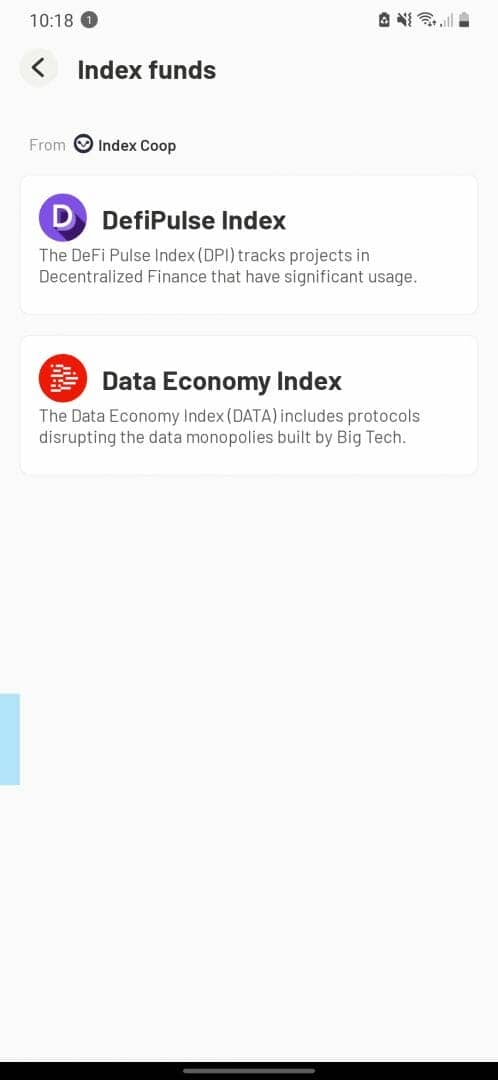
En appuyant dessus, vous aller obtenir la liste de ces solutions d’investissement :
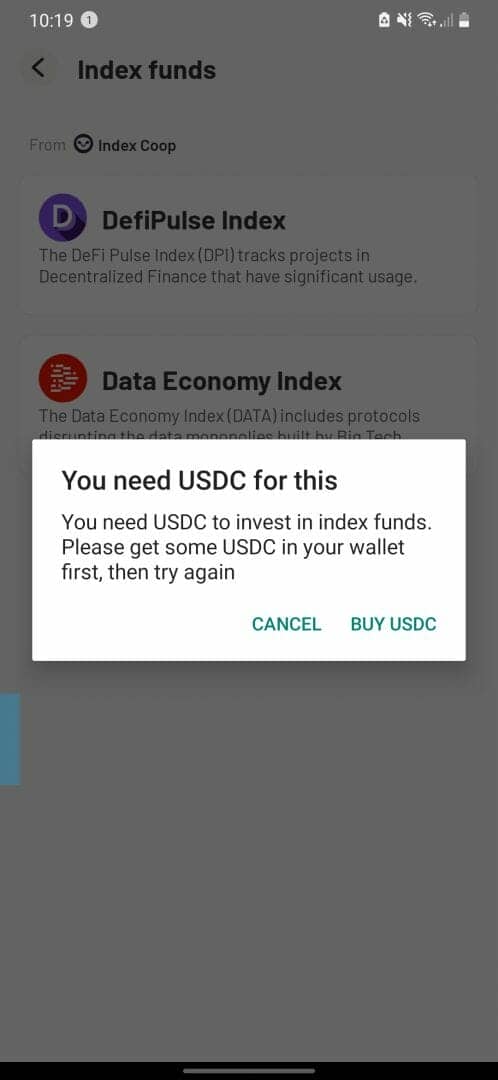
Attention, en fonction de celui que vous choisirez il faudra soit posséder des UDSC, soit des ETH :
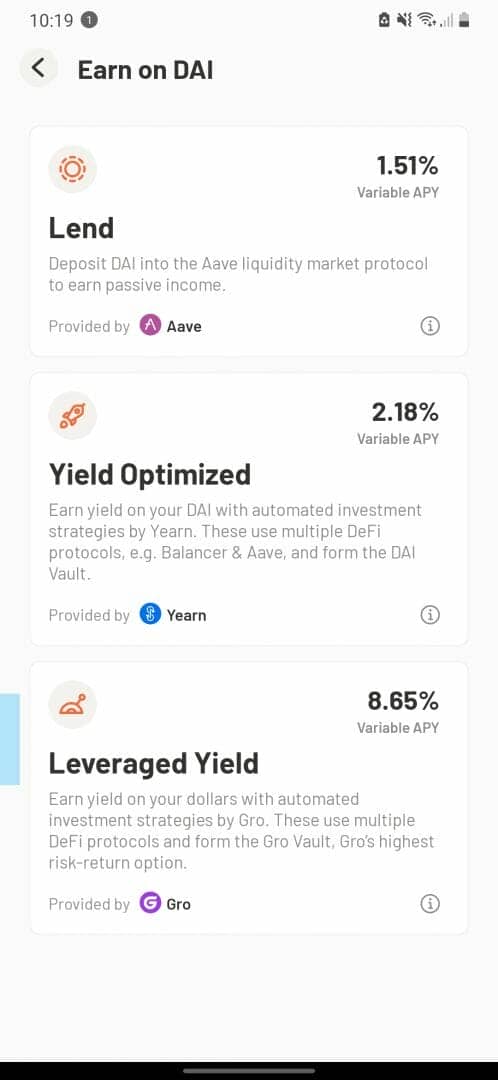
En appuyant sur l’un des actifs présents dans le classements «Top Returns», vous aurez accès à différents rendements, qui correspondent à la dApp que vous utiliserez :
Comme ceci :
Lorsque vous aurez fait votre choix, vous devrez payer des frais afin de lier votre adresse zkSync au Layer 2.
Petite parenthèse à propos de la fenêtre « Invest » : comme zkSync est arrivé récemment, vous serez donc assez limité en termes de cryptos et de protocoles disponibles. Si jamais vous pouvez vous permettre de payer les frais du réseau Ethereum, sachez que plus de protocoles et de cryptomonnaies y sont disponibles.
Passer sur votre adresse Ethereum
Si vous souhaitez retourner à la page qui regroupe vos différentes adresses : Ethereum et zkSync. Il vous suffit de cliquer sur le petit icône en haut à gauche :
Voici quelques exemples, que vous devriez connaître si vous vous êtes déjà intéressé à la DeFi :
Send : envoyer vos cryptomonnaies au monde extérieur
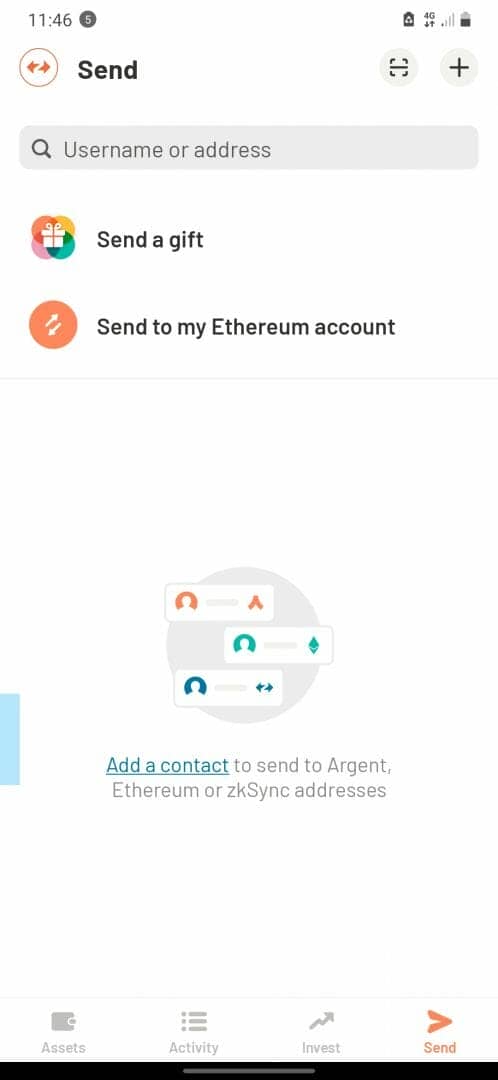
« Send » est la partie qui vous permettra d’envoyer des cryptomonnaies vers une adresse zkSync ou Ethereum. Il vous suffira de renseigner le nom d’utilisateur de la personne, si elle possède un wallet Argent.
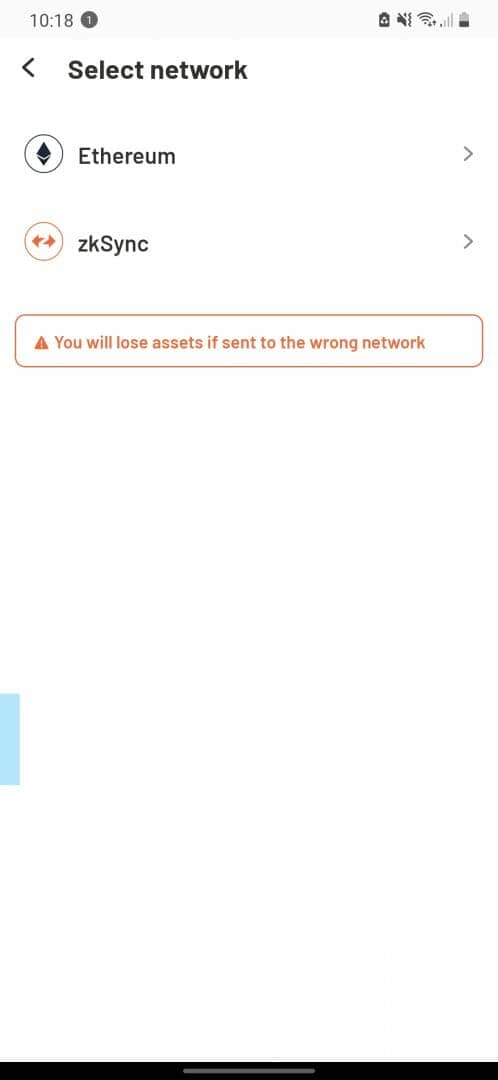
Si ce n’est pas le cas, vous pourrez renseigner une adresse Ethereum ou zkSync.
La gestion du carnet d’adresse
Enfin, il vous est aussi possible de créer un répertoire dans lequel vous pourrez retrouver tous vos «contacts». Pour ce faire, il vous suffira de cliquer sur le petit «+» en haut à droite de l’écran ou de scanner directement le QR code de l’adresse.
Si vous avez choisi l’option «+», il vous suffira de donner un nom à ce contact, entrer son adresse zkSync ou Ethereum puis de choisir le réseau :
Il ne vous restera plus qu’à appuyer sur « Save contact » pour l’enregistrer.
Le wallet Argent est une excellente application, pour tous ceux qui ne sont pas familiers avec le domaine des cryptomonnaies. Tout est pensé pour rendre l’expérience utilisateur la plus fluide et la plus intuitive possible. Le passage à zkSync va justement dans ce sens en rendant la DeFi plus accessible qu’elle ne l’était avec Ethereum, qui souffre encore de frais de transactions parfois assez élevés. Cependant, la gamme de produits d’investissement est encore un brin restreint, mais ce n’est qu’une question de temps avant, que l’offre s’élargisse un peu plus.
Fan d’Ethereum, mon petibonum ? Venez vous exposer au prince des cryptomonnaies sur Kucoin et bénéficiez d’une réduction de 10% sur vos frais de trading en vous inscrivant maintenant (lien affilié).
L’article Argent, le wallet Ethereum ultime : le tutoriel complet pour profiter de la DeFi et des NFT est apparu en premier sur Journal du Coin.